A Global Witness Report Reopens the Kansanshi Royalty Deal — and Puts First Quantum's Zambian Terms Under a New Light
On 21 July 2026 Global Witness published an investigation alleging that First Quantum was the largest funder of President Hakainde Hichilema's party and that a 2022 deal, code-named Project Markle, restructured the state's stake in the Kansanshi mine and dropped a criminal complaint over a $520m intra-group transfer. The report estimates royalty and tax changes saved First Quantum's units about $771m between 2022 and 2025. First Quantum categorically rejects the findings. The exposure is not a court case yet, it is the durability of the fiscal and equity terms the report calls into question.
What happened
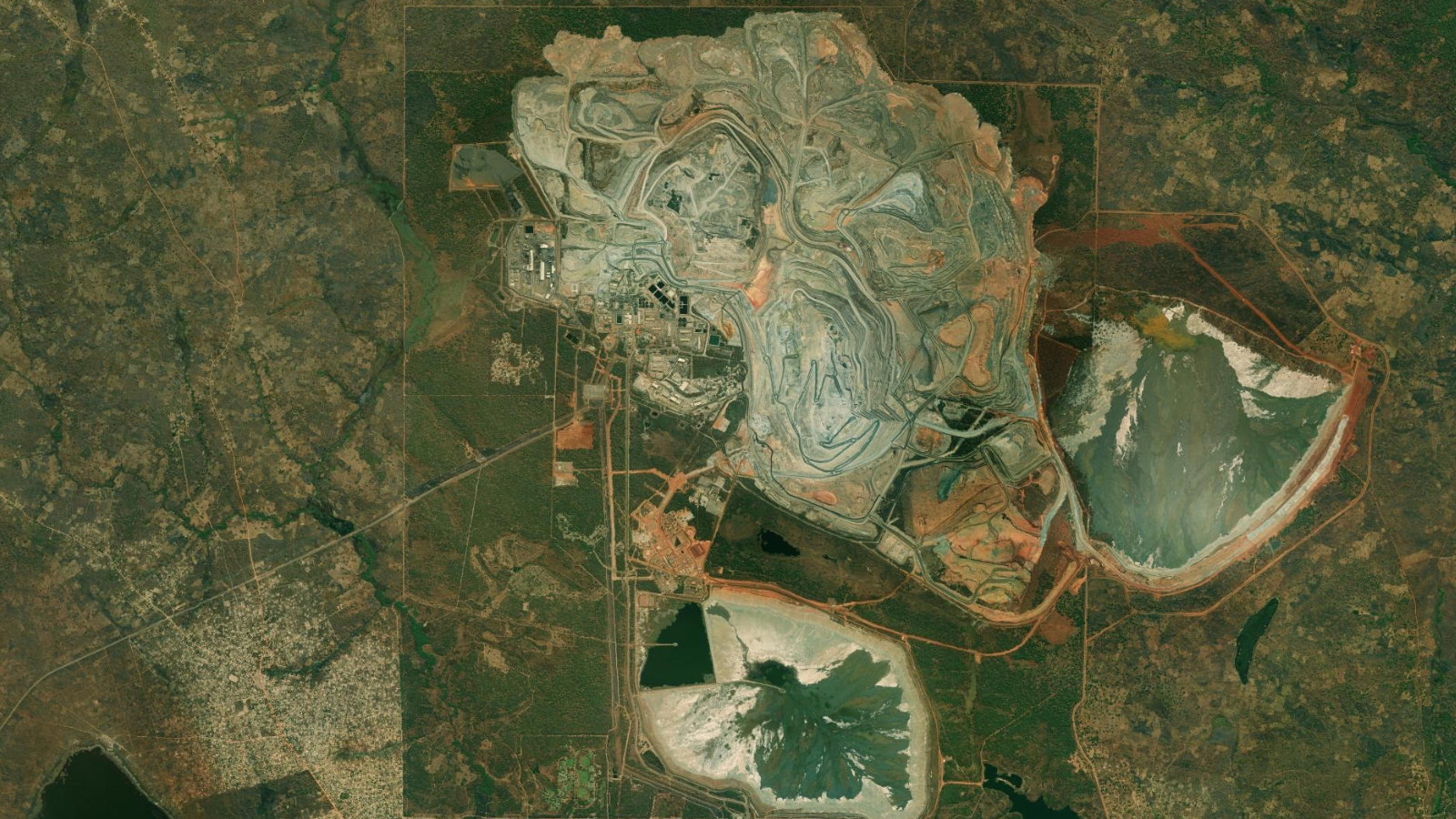
On 21 July 2026 Global Witness published "How a Canadian mining giant infiltrated Zambia's democracy," alleging that First Quantum secretly financed President Hakainde Hichilema's UPND across elections and reaped $771m in tax savings after he took office in 2021. The centrepiece is Project Markle, a deal closed by the end of 2022 in which ZCCM-IH, First Quantum's 20 percent partner at Kansanshi, restructured its equity and replaced dividend payments with a 3.1 percent royalty on revenue. The report says ZCCM-IH had sought a 7 percent royalty and that the criminal complaint it had filed over an alleged unauthorised $520m transfer between First Quantum subsidiaries was dropped as part of the arrangement. An independent analysis commissioned for the report attributed about $771m in savings between 2022 and 2025 to Zambia's royalty changes and a rule letting royalties be deducted from corporate income tax.
First Quantum categorically rejected the findings. In statements carried on 23 July it said it has never paid or authorised bribes, never engaged in illicit party funding, never funded the UPND and never promised to bankroll a 2026 campaign, describing the claims as unsubstantiated speculation from anonymous sources. It added that Zambia's effective mining tax rate had become uncompetitive before 2022 and that the changes were needed to attract investment, and that its economic contribution grew about 30 percent to $3.46bn in 2025, including $902m paid to government. Separately, ZCCM-IH's chief executive has said the firm intends to lift its minority holdings across Zambian mines only on commercial terms, and to extend the royalty-for-dividends model it pioneered at Kansanshi.
Why it matters for dispute formation
No court is seized and no arbitration is on file. This is the stage before a dispute, where the ground under a set of negotiated terms shifts. Project Markle was presented as a commercial restructuring: a state minority holder trading uncertain dividends for a fixed royalty and settling a criminal complaint. The Global Witness report recasts that same set of facts as something a future Zambian government, a reconstituted ZCCM-IH board, or an opposition administration could argue was procured improperly. Terms reached that way are the terms most vulnerable to being reopened when the politics change, which is exactly how many resource disputes begin.
For counsel the analytical work is to separate what is contractually settled from what is politically exposed. A royalty rate fixed in a shareholder agreement is a contract term; a criminal complaint dropped as part of a package is a discretionary act a successor could revisit; tax relief flowing from a general rule is policy that a later parliament can amend prospectively. Each sits differently if the terms are challenged. Zambia has a long history here. KCM's forced liquidation and the decade of litigation that followed Vedanta's removal from Konkola showed how a Zambian government can move against an incumbent operator and how hard the operator fights back. First Quantum's own $8bn customs assessment, disputed since 2018 and never converted into a collected sum, shows how these matters can sit unresolved for years. The read-across for every copperbelt operator is that a negotiated fiscal or equity deal is only as durable as the political consensus behind it, and a well-documented corruption narrative is the kind of thing that erodes that consensus.
Who's exposed
Exposed as the operator whose Zambian fiscal and equity terms the report questions. First Quantum holds 80 percent of Kansanshi, controls more than half of Zambia's copper output, and reports its economic footprint grew to $3.46bn in 2025 including $902m to government. It categorically rejects the Global Witness allegations as unsubstantiated speculation and hearsay, and says it has never paid bribes or funded the UPND. The exposure is reputational and contractual: a spotlight on how the 2022 terms were reached can invite a future administration to reopen them.
Exposed as the state investment vehicle at the center of Project Markle. ZCCM-IH holds a 20 percent stake in Kansanshi and, under the 2022 deal, swapped dividends for a 3.1 percent royalty on revenue, a rate the report says was pushed down from the 7 percent ZCCM-IH sought. ZCCM-IH's CEO has said publicly the firm wants larger stakes across Zambian mines but only on commercial terms, not forced sales. The report reframes a deal presented as commercial as something a future government or a reconstituted board could revisit.
Exposed as the other majors operating under Zambia's fiscal regime and ZCCM-IH minority stakes. The scrutiny on how First Quantum's terms were set raises the political temperature for every negotiated royalty, tax stabilisation or equity arrangement in the copperbelt. Zambia is chasing a 3-million-tonne copper target by 2031 and needs foreign capital, which cuts against abrupt fiscal shocks, but a corruption narrative around the anchor investor changes the politics of the next round of terms.
The historical parallel · Vedanta / Konkola Copper Mines v. ZCCM-IH — the KCM provisional liquidation and arbitration (2019 onward)
When Zambia moved to seize control of Konkola Copper Mines from Vedanta in 2019 through a provisional liquidation, Vedanta fought back through the Zambian courts and international arbitration, and the standoff ran for years before a settlement path emerged. KCM is the reference for what happens when the Zambian state and a foreign copper operator fall out over control and value. It showed that Zambia will move against an incumbent when the politics turn, that the operator can resist through arbitration and litigation, and that these fights are measured in years, not months. For First Quantum, the lesson is that terms which look settled today can become the subject of exactly this kind of contest if a future government decides the deal was wrong.
What to watch
- Whether any Zambian institution, the Anti-Corruption Commission, ZCCM-IH's board or parliament, opens a formal review of Project Markle or the dropped $520m complaint.
- Whether the 3.1 percent Kansanshi royalty and the royalty-deductibility rule are reaffirmed, amended or challenged as the 2026 electoral cycle plays out.
- ZCCM-IH's stated push for larger stakes, and whether it stays on commercial terms or hardens into a policy of mandated equity.
- Any move on First Quantum's long-standing $8bn customs assessment, which remains disputed and uncollected.
Sources
- Global Witness — How a Canadian mining giant infiltrated Zambia's democracy
- Billionaires.Africa — Global Witness says First Quantum bankrolled Zambia's president as tax breaks topped $771 million
- Lusaka Times — First Quantum rejects Global Witness claims of covert UPND funding
- CNBC Africa — Zambia state investment firm keen to boost stakes in mines, CEO says
- Mining.com — Zambia concludes mine tax audits after slapping huge bill on First Quantum
See the disputes forming before the market does.
Signal Watch tracks the developments. The monthly Intelligence Brief synthesizes all four signals into the disputes most likely to crystallize next — free.
Get the Intelligence BriefFor general information only; not legal advice, and no attorney–client relationship is formed through this article. Company names appear because the operators are exposed to a public development — not as a statement of wrongdoing or a predicted outcome. Figures are as reported by the linked sources.