Panama Weighs a State-Owned Miner to Reopen Cobre Panamá — and Puts First Quantum's Contract Back on the Drawing Board
On 23 July 2026 Panama's government confirmed it is studying a state-owned mining company to co-own the shuttered Cobre Panamá mine, with First Quantum holding 60 to 65 percent and the state 35 to 40 percent through an entity that would carry the concession. A lease model, royalties and taxes with no state equity, sits alongside it. Commerce Minister Julio Moltó wants a decision by year-end, with formal talks late 2026 or early 2027. First Quantum suspended its arbitration to get to the table. The mine ran at about 5 percent of GDP and 75 percent of goods exports before the 2023 shutdown.
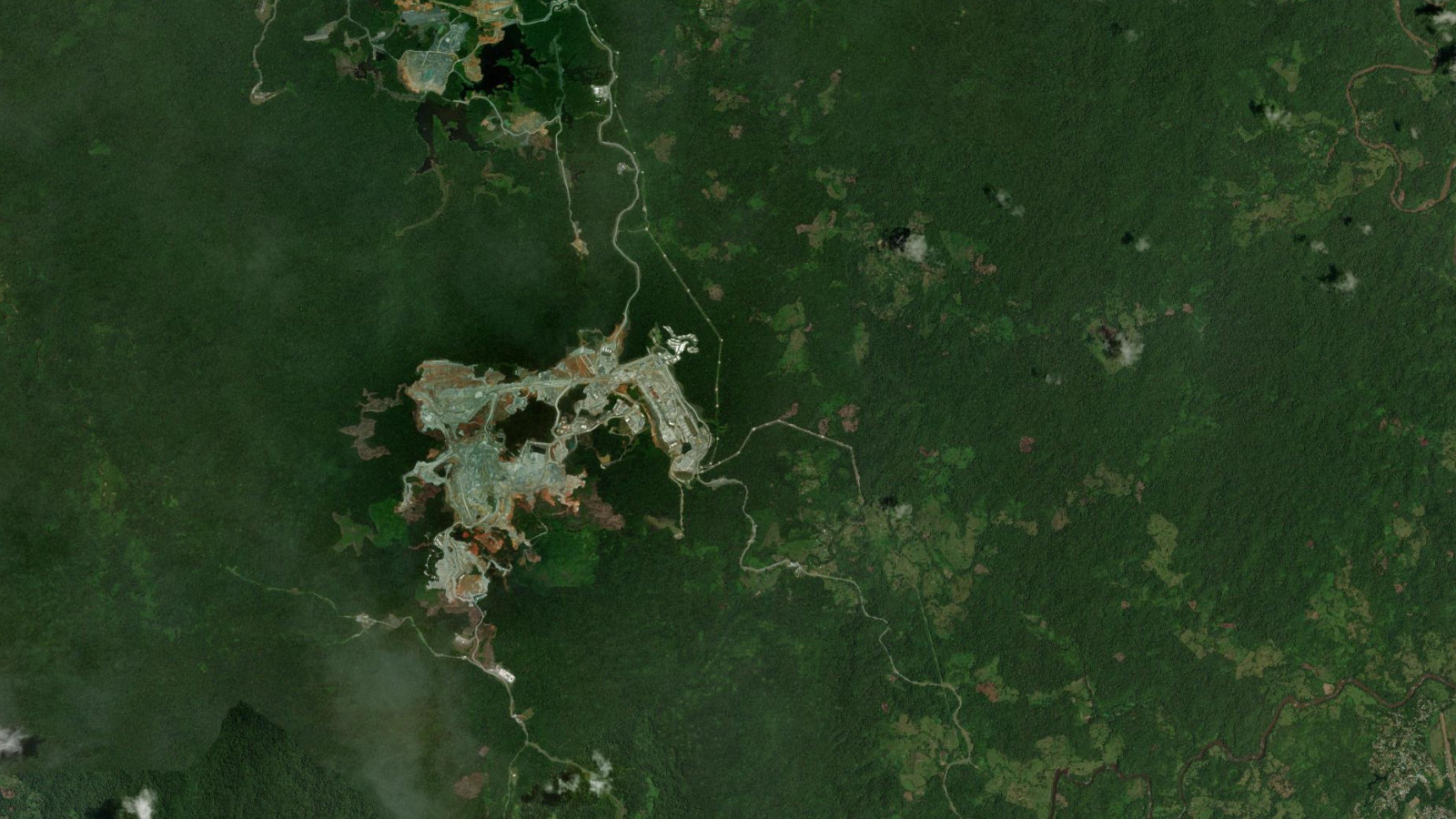
Watch · The story in brief
How Cobre Panamá was built into a copper giant — and struck down by the courts in 2023.
The arbitration, the stranded copper, the state-owned fix, and the precedents for how it might end.
What happened
On 23 July 2026 Panamanian and mining outlets reported, citing Reuters and government sources, that the state is studying a public-private structure to reopen Cobre Panamá. Under the joint-ownership option a newly created state-owned mining company would hold the concession, with First Quantum taking 60 to 65 percent of the venture and Panama 35 to 40 percent. The alternative keeps the concession fully in state hands and leases the operation to First Quantum for royalties and taxes. Commerce and Industry Minister Julio Moltó said the government expects to choose among the options by the end of 2026, with formal negotiations to begin late this year or early 2027 once environmental and legal reviews finish.
The mine has been closed since November 2023, when the Supreme Court declared Law 406, the 20-year concession contract, unconstitutional after weeks of nationwide protests over environmental and governance concerns. First Quantum responded with arbitration under ICSID and the ICC, then suspended those claims after President José Raúl Mulino made suspension a condition for reopening any dialogue. Cobre Panamá contributed roughly 5 percent of GDP and about 75 percent of the country's goods exports before it stopped, and copper near record prices has sharpened the incentive to find a legal path back. Polling still shows more than 60 percent of Panamanians against reactivation.
Why it matters for dispute formation
The move that decides everything already happened: First Quantum suspended its arbitration to earn a seat at the table. That is the classic trade in a resource dispute. The idle mine bleeds value by the week, and the fastest way to stop the bleeding is a deal, not an award years away. Suspension is not withdrawal, and the claims can be revived, but a company negotiating a new concession while holding a live treaty claim is a company that has chosen the table over the tribunal for now. The leverage has shifted to Panama, which controls the timetable and the structure.
The structure is where the next dispute forms. A state-owned co-owner holding 35 to 40 percent and carrying the concession is a different counterparty from the state as pure regulator. It sits inside the venture, votes on capital calls, and shares in dividends, which aligns some incentives and creates others: minority protections, valuation of the state's contribution, and what happens if the partners disagree on expansion or closure. The lease alternative avoids co-ownership but leaves First Quantum operating an asset it does not own under terms Panama can revisit. Chile built Codelco as a fully state-owned major and made it work; Zambia's ZCCM-IH runs minority stakes and royalty conversions across foreign-operated mines. Both are the models Panama's own officials cite, and both show that state equity does not end disputes, it relocates them from expropriation to shareholder and contract terms. For First Quantum, Franco-Nevada and the Korean holders, the work is to read the new concession against a Supreme Court that has already voided one, and against a public mandate that a future government could invoke to reopen the question.
Who's exposed
Exposed as the operator whose $10bn mine has sat idle since November 2023, when Panama's Supreme Court ruled its 20-year concession law unconstitutional after mass protests. First Quantum suspended its ICSID and ICC arbitration as a precondition President Mulino set for restart talks, so it has traded its strongest legal lever for a seat at the negotiating table. A state-equity structure that hands Panama 35 to 40 percent and the concession itself changes the value of the asset and the terms of any future dispute.
Exposed as the state that voided the contract and now has to replace it with something durable. Minister Julio Moltó has floated a joint venture through a new state miner and, as an alternative, a lease under which Panama keeps the concession and collects royalties and taxes. Either path has to survive the same Supreme Court and a public that polls over 60 percent against reopening, so the structure is a legal-risk problem before it is a commercial one.
Exposed as the financiers and minority holders whose returns run through the same contract. Franco-Nevada carries a precious-metals stream over Cobre Panamá and took an impairment when the mine stopped; a Korea Resources consortium holds a minority equity stake. A restart routed through a new state-owned co-owner touches every stream, offtake and shareholder agreement written against the original concession.
The historical parallel · Chile's Codelco and Zambia's ZCCM-IH as state-equity templates
Panama's officials name Chile and Zambia as the models for a state stake, and the two show the range. Codelco is a wholly state-owned copper major that Chile built out of nationalised assets and has run for fifty years, proof that full state ownership can operate at scale. ZCCM-IH holds minority positions across foreign-operated Zambian mines and has converted dividends to royalties at First Quantum's Kansanshi, proof that a minority state co-owner can extract value without running the mine. Neither ended disputes. Chile still arbitrates lithium and tax terms; Zambia's stakes come with their own fights over valuation and control. The lesson for Cobre Panamá is that inviting the state inside the venture moves the dispute surface from whether the concession is valid to how the partners share risk, capital and upside.
What to watch
- Whether Panama chooses the joint-venture-with-state-equity path or the lease model, and how the enabling law is drafted to survive constitutional review this time.
- Whether First Quantum's arbitration stays suspended or is revived if talks stall, and any provisional-measures activity over the idle plant.
- How a new state-owned miner is capitalised and governed, and what minority protections First Quantum secures against a controlling public partner.
- Franco-Nevada's stream and the Korea Resources stake, and whether the restart terms trigger renegotiation of either.
Sources
- Newsroom Panama — Panama government considers creating a state-owned mining company
- The Rio Times — Panama considers a state-owned company to reopen the Cobre Panamá mine
- The Northern Miner — Panama mulls state miner to revive Cobre Panama
- Mining.com — Panama to weigh First Quantum copper mine restart by early 2026
See the disputes forming before the market does.
Signal Watch tracks the developments. The monthly Intelligence Brief synthesizes all four signals into the disputes most likely to crystallize next — free.
Get the Intelligence BriefFor general information only; not legal advice, and no attorney–client relationship is formed through this article. Company names appear because the operators are exposed to a public development — not as a statement of wrongdoing or a predicted outcome. Figures are as reported by the linked sources.