Reko Diq, Rebuilt From a Record ICSID Award, Slows Again: Barrick Pushes Its $70bn Copper-Gold Timeline Into a Security and Financing Squeeze
Reko Diq is one of the world's largest undeveloped copper-gold deposits, projected to throw off more than $70bn in free cash flow over its life, and it exists in its present form only because a roughly $5.9bn ICSID award against Pakistan in 2019 was settled in 2022 into a 50-50 venture between Barrick and the Pakistani state. In 2026 the rebuilt project is straining again. Barrick is arranging over $2bn of development-bank financing led by the IFC, the US Export-Import Bank and the Asian Development Bank, while Phase 1 capital cost has climbed from $4bn to $5.6bn and first production holds at 2028. Citing escalating security risks in Balochistan and the wider region, Barrick has slowed field development and pushed its technical and financing review into mid-2027.
Watch · The story in brief
How a roughly $5.9bn ICSID award against Pakistan was traded in 2022 for a 50-50 venture with Barrick, and why a Phase 1 capital cost that has moved from $4bn to $5.6bn, plus a security-driven review pushed to mid-2027, puts the settlement's consideration back in play.
What happened
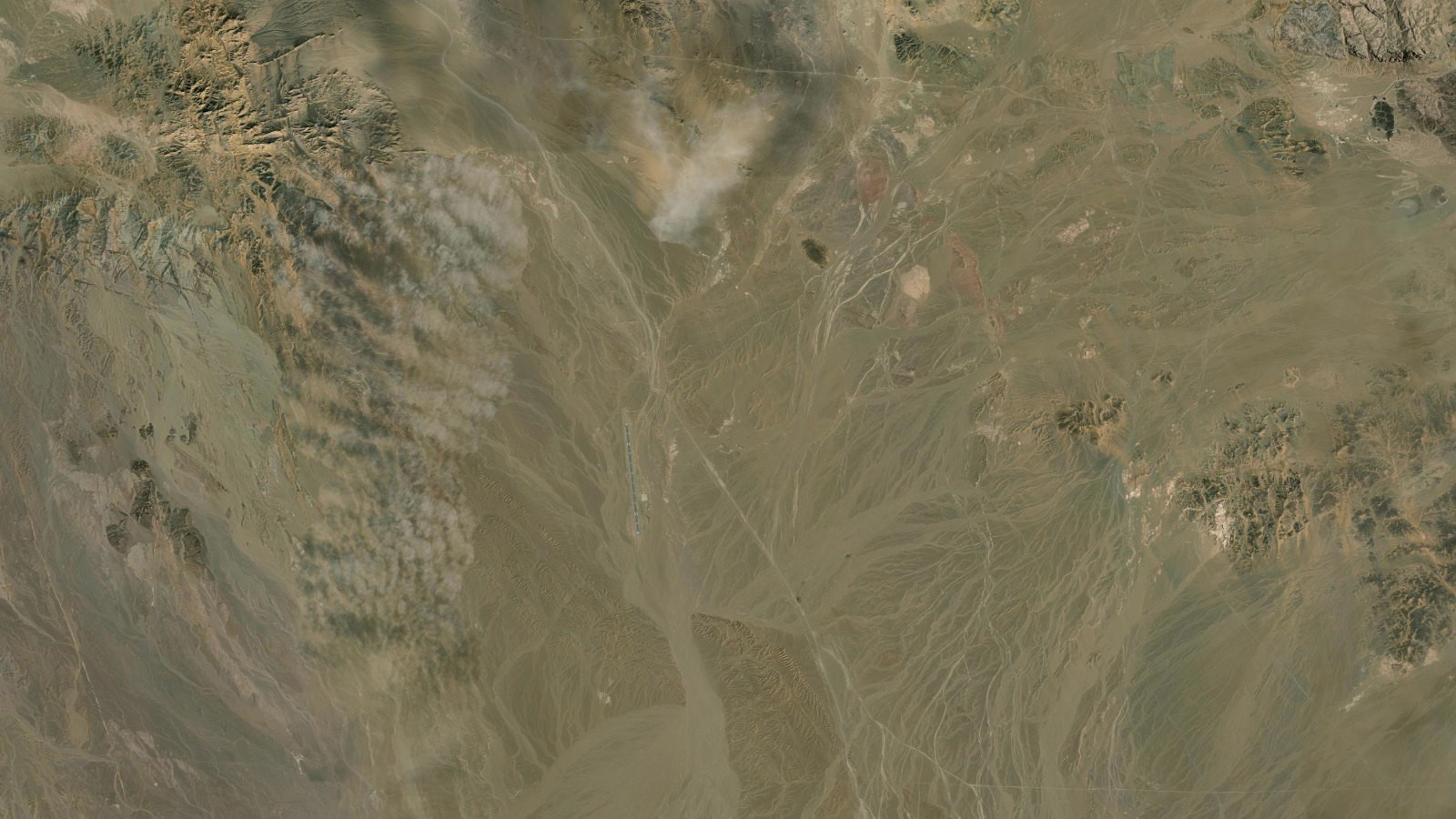
Reko Diq, in the Chagai district of Balochistan, is one of the largest undeveloped copper-gold porphyry systems in the world, projected to generate more than $70bn in free cash flow and $90bn in operating cash flow across a mine life measured in decades. It is jointly held by Barrick, which operates it, and the governments of Pakistan and Balochistan, split fifty-fifty after a 2022 reconstitution.
Through 2025 and 2026 Barrick moved the project toward a construction decision, arranging a development-finance package of more than $2bn, anchored by about $650m from the IFC and IDA, $500m to $1bn from the US Export-Import Bank, and further tranches from the Asian Development Bank and other institutions. In parallel the numbers grew: Phase 1 capital cost rose from $4bn to $5.6bn, first production held at 2028, and a feasibility update lifted later-phase throughput while trimming the headline mine life.
Then the pace changed. Citing escalating security risks in Balochistan and the wider region, Barrick signalled it would slow field development and extend its technical and financing review into mid-2027. The deposit is not the problem. The road to it, the people on it and the sovereign environment around it are.
The award behind the mine
Reko Diq is the rare megaproject that runs on a second life. Its first developer, Tethyan Copper Company, a Barrick and Antofagasta venture, was denied a mining lease in 2011. In July 2019 an ICSID tribunal found Pakistan had breached the fair and equitable treatment standard and awarded Tethyan about $5.9bn, roughly $4.08bn in damages plus $1.87bn in interest, against a documented investment of a little over $220m. It was among the largest investor-state awards ever issued.
Pakistan did not pay it. Instead, in December 2022, the parties reconstituted the project: the award and related enforcement were set aside, Antofagasta took a $900m settlement from escrow and exited, and Barrick and the Pakistani state rebuilt Reko Diq as a 50-50 joint venture. The lesson the 2019 award wrote into the file is precise, and it is why the current slowdown matters: in this dispute, refusing to let a lawful holder develop was itself the breach.
Why it matters for dispute formation
A stalled build reopens bargains that a signed deal was supposed to close. Security is the immediate pressure, and it runs straight into the contract: force-majeure and stabilization terms that look academic at signing become load-bearing when a workforce cannot safely reach the site, and each party has an incentive to read them its own way. The financing layer adds a second front, because development-bank conditions and political-risk cover are themselves negotiated instruments that a delay can trip.
The deeper risk is structural. The value of the 2022 settlement to Pakistan is equity and tax from a working mine, not a waiver on paper, so a project that slides toward the end of the decade slowly drains the consideration that made the state give up an award. If the venture cannot build on terms both sides can carry, the pressure that produced arbitration the first time, a sovereign and an investor disagreeing over who bears the cost of a lawful project that will not move, is exactly the pressure now building again.
Who's exposed
Exposed as operator and 50 percent owner of a project whose economics are moving the wrong way while it commits capital. Phase 1 cost has risen from $4bn to $5.6bn, first output stays pinned to 2028, and Barrick has slowed field work and pushed its technical and financing review to mid-2027 on security grounds. Every month of delay compounds carrying cost on an asset it cannot de-risk by leaving, because the value is in building.
Exposed as the 50 percent owner, the fiscal beneficiary and the security guarantor at once. Islamabad and Quetta need the royalties, jobs and cash flow, and they carry the duty to protect a workforce and a supply corridor across an insurgency-prone province, the same sovereign-conduct risk that produced a multi-billion-dollar award against Pakistan the last time this project stalled.
Exposed as the development-finance package, more than $2bn led by the IFC and IDA, the US Export-Import Bank, the Asian Development Bank and others, being assembled around a frontier asset in a high-security-risk region. Their disbursement conditions and political-risk cover become the real covenants, and a slipping timeline tests every one of them.
Exposed as the deal that waived a liability the size of a bailout in exchange for a mine getting built. The reconstitution replaced a roughly $11bn enforcement exposure with equity and future tax; that trade only pays out if Reko Diq reaches production, so a stalled build quietly reopens the question the settlement was meant to close.
The historical parallel · Tethyan Copper Company v. Islamic Republic of Pakistan (ICSID Case No. ARB/12/1)
The mine that exists today is the settlement of the award that condemned the last version of it. In 2019 an ICSID tribunal held that Pakistan's refusal to grant Tethyan a mining lease breached fair and equitable treatment and put the number at roughly $5.9bn, one of the largest ISDS awards on record. Pakistan escaped payment only by rebuilding the project with Barrick as a 50-50 partner in 2022. That history sets the template for the current strain: the state's consideration is a working mine, the investor's is a return on capital it must spend to earn, and when a lawful project cannot move, the disagreement over who absorbs the cost is what turns into a claim.
What to watch
- Whether Barrick reaches financial close on the more than $2bn package or the mid-2027 review slips further.
- Security incidents in Balochistan affecting the workforce, the access road and the power and water corridors the project depends on.
- Movement in Phase 1 capital cost beyond $5.6bn, and any change to the 2028 first-production target.
- Whether the reconstituted venture's stabilization and force-majeure terms are invoked or tested as the timeline stretches.
- Disbursement conditions and political-risk cover from the IFC, US EXIM and ADB, which now function as the real constraints on the build.
Sources
- MINING.COM — Barrick eyes over $2B in financing for Reko Diq
- Asian Development Bank — ADB approves financing for Reko Diq
- Geomechanics.io — Reko Diq capex and schedule, the delay lens
- RFE/RL — Pakistan hit with multi-billion-dollar Reko Diq judgment (2019)
- Wikipedia — Reko Diq case (Tethyan Copper, ICSID, 2022 reconstitution)
See the disputes forming before the market does.
Signal Watch tracks the developments. The monthly Intelligence Brief synthesizes all four signals into the disputes most likely to crystallize next — free.
Get the Intelligence BriefFor general information only; not legal advice, and no attorney–client relationship is formed through this article. Company names appear because the operators are exposed to a public development — not as a statement of wrongdoing or a predicted outcome. Figures are as reported by the linked sources.