A UK Lithium Developer Takes Nigeria to ICSID After Kaduna Strips Most of Its Leases and a Chinese Rival Is Escorted Onto the Ground
Jupiter Lithium, a UK-registered developer, has filed a Request for Arbitration against Nigeria at ICSID under the UK-Nigeria bilateral investment treaty, after the federal government revoked roughly 70 percent of the mining leases behind its Kaduna State lithium project and let the statutory deadline to grant the rest lapse for more than two years. The tenement package runs to about 462 square kilometres, among the largest lithium footprints in West Africa, with the company projecting some 167,000 tonnes of concentrate and about $6.2bn of value in its first two years. Jupiter says that in late 2025 federal officials removed its personnel from site and escorted a Chinese-backed company, holding no title, onto the ground. Abuja has denied any seizure and called the account a smear campaign.
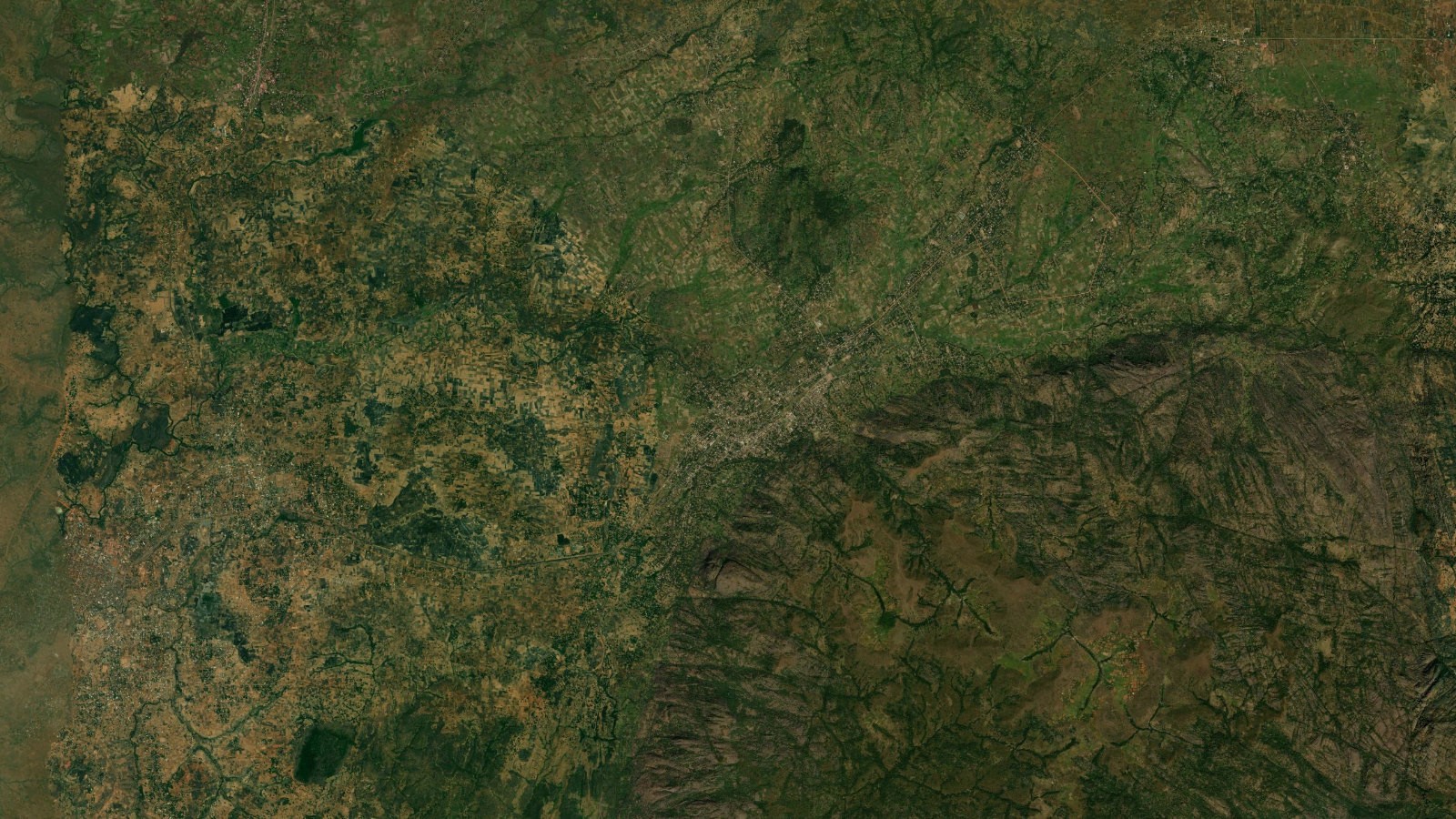
Watch · The story in brief
Jupiter Lithium's ICSID claim against Nigeria under the UK-Nigeria bilateral investment treaty: about 70 percent of its Kaduna leases revoked, a 45-day statutory deadline left to run for more than two years, and a Chinese-backed rival the company says was escorted onto its ground. Abuja denies a seizure.
What happened
Jupiter Lithium, registered in the United Kingdom, holds a large lithium exploration position in Kaduna State, in Nigeria's Middle Belt, running to about 462 square kilometres of tenements, among the biggest lithium footprints in West Africa. The company projects early output of roughly 167,000 tonnes of concentrate and about $6.2bn of value across the first two years.
According to Jupiter, the federal government revoked around 70 percent of its mining leases and then failed to grant the remaining titles within the 45-day window that Nigeria's Mining Act sets for a ministerial decision, leaving the company waiting more than two years. It says the situation escalated in late 2025, when federal officials removed its personnel from the site and escorted a Chinese-backed company, which held no legal mining title, onto the ground to begin work.
Jupiter has now filed a Request for Arbitration at ICSID under the UK-Nigeria bilateral investment treaty. The Nigerian government has denied seizing the project and characterised the claims as a smear campaign, while largely declining to engage the dispute in public.
Why it matters for dispute formation
The claim is built on two ordinary administrative acts, not a dramatic nationalisation. A revoked lease supplies the expropriation argument; a decision withheld past a statutory deadline supplies the fair-and-equitable-treatment argument. The 45-day duty matters because it converts silence into conduct: once a government binds itself to decide within a set time, letting the clock run becomes a reviewable act a tribunal can weigh, not merely inaction.
The alleged escorting of a rival onto the ground is what sharpens the case. A licence dispute is a paper contest until someone else is mining the tenement; physical dispossession in favour of a third party is the fact pattern that moves a claim from delay toward expropriation. For any investor, the exposure is the same lesson in a new jurisdiction: title is only as good as the state's willingness to honour and process it, and the enforceable value may sit in a treaty rather than in the ground.
The China subtext
The identity of the incoming operator gives the case a geopolitical charge that a routine licence fight would lack. A Western developer displaced in favour of a Chinese-backed firm, over lithium the company says could supply Britain's needs for decades, lands in the middle of a live contest over who secures the critical minerals of the energy transition. It also cuts against Abuja's own positioning as a reformed, treaty-safe destination for Western mining capital.
That tension is the signal worth tracking. Nigeria has been largely absent from investment arbitration while its West African neighbours have not, and a UK treaty claim over lithium tenements tests whether the country's push for local control can coexist with the investor protections it has promised. The outcome will price risk not just for Jupiter, but for every foreign developer weighing a Nigerian critical-minerals licence.
Who's exposed
Exposed as the UK claimant. It says Nigeria revoked about 70 percent of its mining leases and let the Mining Act's 45-day deadline to decide the rest run for more than two years, then removed its staff and let a rival occupy the ground. Its case rests on the UK-Nigeria treaty, and its value, a projected 167,000 tonnes of concentrate and about $6.2bn in the first two years, is now locked behind an arbitration rather than a mine.
Exposed as the respondent. The revocation and the licensing delay are the twin hooks of the claim: a lease pulled and a decision withheld past a statutory deadline are the classic raw material of fair-and-equitable-treatment and expropriation arguments. Abuja denies a seizure and frames the account as a smear, which makes the tribunal's reading of the licensing record decisive.
Exposed as the party said to be working ground it does not hold title to. If Jupiter's account stands, the occupation strengthens the expropriation case and leaves the incoming operator carrying sunk cost on a site whose legal ownership is the subject of a live international claim.
Exposed as the reform narrative itself. Abuja is courting Western capital for a critical-minerals build-out; an ICSID claim from a UK developer, filed under a treaty and centred on lease security, is the precise counter-signal that pushes up the risk premium on every tenement the government is trying to market.
The historical parallel · The West African licence-revocation wave (Guinea and Mali, 2025-26)
Nigeria is arriving late to a pattern its neighbours have already run. Across the region, states short of leverage have reached for the mining licence as the instrument of control: Guinea revoked scores of permits in 2025 and drew arbitration, and Mali pressed a code revision and asset pressure into a settlement with Barrick. The through-line is that a permit is a recurring point of exposure, not a one-time grant, and that a revocation or a withheld renewal is fertile ground for a treaty claim. Jupiter's case adds the sharper fact of a rival escorted onto the ground, which is what turns a licensing grievance into an expropriation argument.
What to watch
- Registration of the claim at ICSID and constitution of the tribunal under the UK-Nigeria treaty.
- Whether Nigeria formalises the revocation, grants the withheld leases, or reaches a negotiated settlement before proceedings advance.
- The legal title, if any, of the Chinese-backed operator said to be working the tenements.
- Abuja's public posture, given its denial of a seizure and its parallel courtship of Western critical-minerals capital.
- Any chilling effect on UK and other foreign mining investment across Nigeria's lithium belt as the claim proceeds.
Sources
- Global Arbitration Review — Lithium miner threatens treaty claim against Nigeria
- National Accord — UK miner launches arbitration as Nigeria blocks lithium project
- Advisors Reports — Chagoury group targets Kaduna's contested lithium project as Jupiter disputes the revocation
- AllAfrica — Nigerian government denies 'British lithium project' seizure, alleges smear campaign
See the disputes forming before the market does.
Signal Watch tracks the developments. The monthly Intelligence Brief synthesizes all four signals into the disputes most likely to crystallize next — free.
Get the Intelligence BriefFor general information only; not legal advice, and no attorney–client relationship is formed through this article. Company names appear because the operators are exposed to a public development — not as a statement of wrongdoing or a predicted outcome. Figures are as reported by the linked sources.