Costa Rica Moves to Carve Crucitas Out of Its Own Mining Ban — the Deposit It Already Beat at ICSID
President Laura Fernández has put Bill 24.717 at the centre of her agenda: a law to lift Costa Rica's open-pit mining ban inside the 84,800-hectare Cutris de San Carlos district and revive the Crucitas gold deposit. The bill has cleared committee and awaits a plenary vote. In March 2026 the Supreme Court ordered emergency action against illegal miners now working roughly 30 square kilometres on the Nicaraguan border. This is the same deposit Costa Rica defended and won at ICSID in 2021.
What happened
Bill 24.717, filed in November 2024, would authorise and regulate open-pit metallic mining inside the 84,800-hectare Cutris de San Carlos district while leaving Costa Rica's nationwide ban intact everywhere else. It sets a minimum 5% royalty on gross mineral sales, with more than 70% of revenue routed to the central government. President Laura Fernández, who took office on 8 May 2026, placed the bill on the Legislative Assembly's extraordinary-session agenda four days later. It has cleared committee and awaits a plenary debate, where four opposition factions holding 26 votes have lined up to defend the ban, though the main opposition party has withdrawn a large share of its delaying motions to let the bill move.
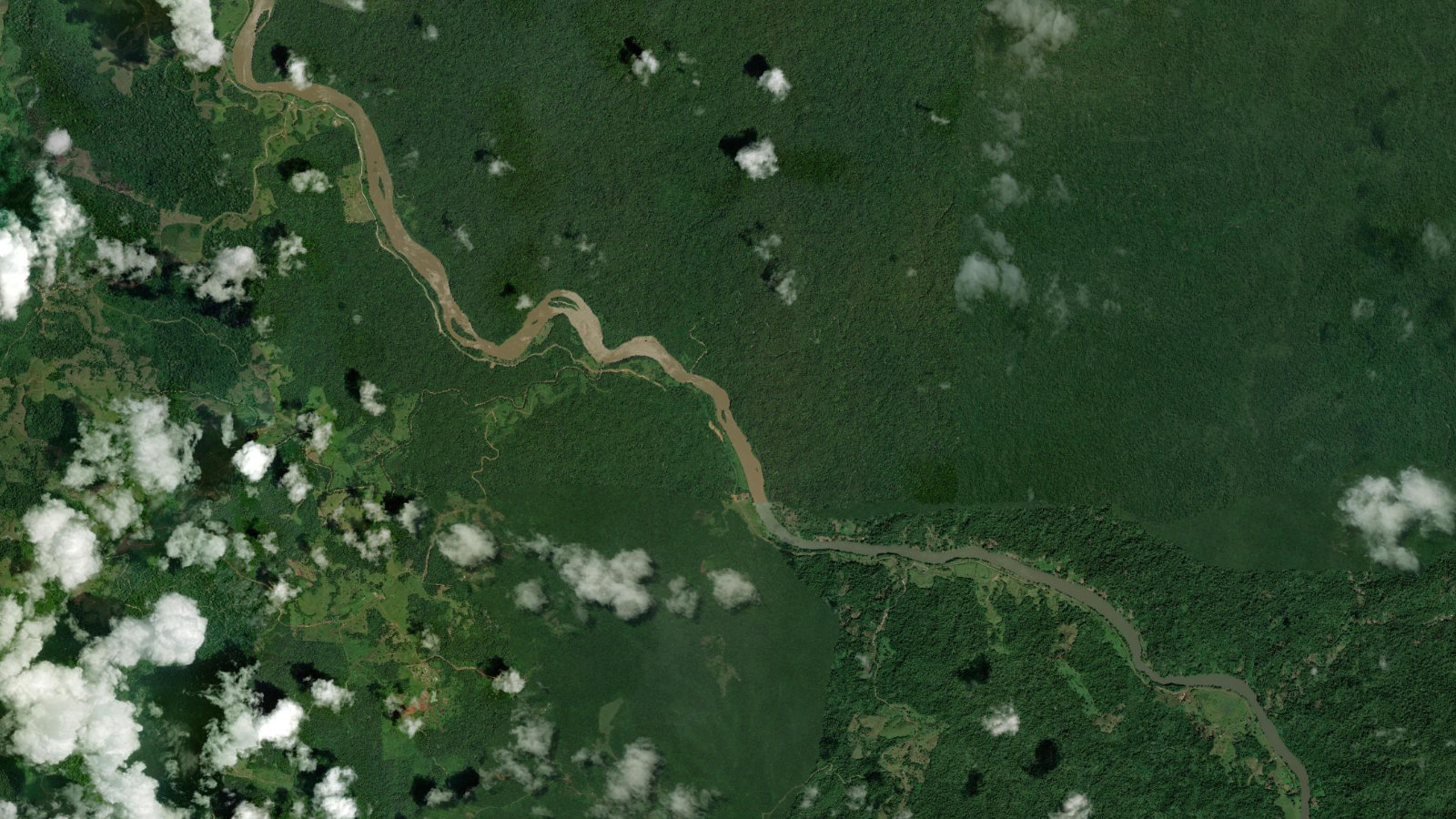
The legal backdrop hardened in March 2026. In ruling 2026-10560 of 20 March, the Constitutional Chamber (Sala IV) upheld an amparo and found that the ministries of the Presidency, Health, Public Security and Environment, plus the water utility AyA, had systematically neglected their duty to stop illegal gold mining at Crucitas. The court ordered urgent measures: a permanent police presence, tighter border control, and protection of water and health across a damaged area of roughly 30 square kilometres affecting about 15 communities, with mercury and arsenic contamination reaching toward the San Juan river on the Nicaraguan border. Costa Rica's open-pit ban dates to a 2010 executive decree and a 2011 legislative moratorium.
Why it matters for dispute formation
Crucitas is the rare deposit where the state already litigated and won. In Infinito Gold Ltd. v. Costa Rica the tribunal found Costa Rica had breached fair and equitable treatment through its 2011 moratorium, yet denied damages because the 2010 decree would have blocked an exploitation permit anyway and the mining rights were invalid from inception. So the deposit carries a precise legal fingerprint: a state measure that was wrongful in form but caused no compensable loss, over a title the tribunal treated as void. A carve-out law that reopens the same ground has to work on top of that record, not around it, and any new concession-holder takes a title whose predecessor was found invalid.
The sharper exposure sits where the statute meets the facts on the ground. The Supreme Court has ordered the state to clear illegal miners from a site the same government wants to hand to a licensed operator, so the entity that wins a Crucitas concession inherits active occupation, documented contamination and a court supervising the cleanup. That is a social-licence and enforcement problem before it is a mining problem, and it is exactly the ground on which the Infinito dispute was fought. For counsel, the work is to read Bill 24.717 for how it treats prior rights and prior findings, to price the risk that a reversed ban invites a new fair-and-equitable-treatment argument from a future investor if the policy swings back, and to treat the illegal-occupation overlay as a live liability that transfers with the title. Nothing here is legal advice; the point is that a statute can grant access to ore it cannot clear of history.
Who's exposed
Exposed as the former concession-holder whose Crucitas history defines the title. Infinito's exploitation attempt ran into a 2010 open-pit ban and a 2011 legislative moratorium, and its ICSID claim ended in a 2021 award for Costa Rica. Any revival law reopens the question of what rights, if any, survive from that record and who holds them now.
Exposed as the entity that would inherit a deposit with a contested legal history, an ICSID award on file, active illegal occupation across the site, and a Supreme Court order in force. A carve-out law grants access to the ore, but the title comes with a social-licence and litigation overlay that no statute erases.
Exposed on both sides at once. It is proposing to reopen mining it once banned, while a March 2026 Supreme Court order finds ministries have systematically neglected their duty to stop illegal mining on the same ground. A statute that reverses course after the state built a decade of policy and an ICSID defence on the ban creates its own expectation and consistency questions.
The historical parallel · Infinito Gold Ltd. v. Costa Rica — ICSID Case No. ARB/14/5, award for Costa Rica, 3 June 2021
Infinito, a Canadian company, claimed up to $400m over the Crucitas project after Costa Rica's 2010 open-pit decree and 2011 legislative moratorium blocked development. The tribunal found Costa Rica breached fair and equitable treatment with the moratorium but denied all compensation, because the 2010 decree would have stopped an exploitation permit regardless and the underlying mining rights were invalid under Costa Rican law from the start. The annulment proceeding closed in July 2024. This is the same deposit Bill 24.717 targets, which makes the award the single most important document on the file: it shows the state can lose on liability and still owe nothing, and it defines the contested, litigated title any revival must build on.
What to watch
- Whether Bill 24.717 reaches a plenary vote and in what form, given the 26-vote opposition bloc and the withdrawn delaying motions.
- How the final text treats prior concessions, the Infinito record and the Sala IV order, and whether it addresses compensation or consistency for a reversed ban.
- Compliance with the March 2026 Supreme Court order: police presence, border control and remediation across the 30 square kilometres, and any contempt findings against the ministries.
- Whether any company signals interest in a Crucitas concession, and how it would take a title carrying an ICSID history and active illegal occupation.
Sources
- Mining Frontier — Costa Rica Tests Mining Ban Through Crucitas Revival Plan
- The Tico Times — Costa Rica Court Orders Urgent Action on Illegal Mining in Crucitas (23 Mar 2026)
- The Tico Times — Costa Rica Geologists Call for National Plan as Illegal Gold Mining Spreads (30 Jun 2026)
- Sala Constitucional — Ordena acciones inmediatas contra la minería ilegal en Crucitas (ruling 2026-10560)
- BNamericas — Costa Rica looking to roll back mining ban to open Crucitas gold mine
- Wikipedia — Infinito Gold Ltd. v. Costa Rica (ICSID ARB/14/5)
See the disputes forming before the market does.
Signal Watch tracks the developments. The monthly Intelligence Brief synthesizes all four signals into the disputes most likely to crystallize next — free.
Get the Intelligence BriefFor general information only; not legal advice, and no attorney–client relationship is formed through this article. Company names appear because the operators are exposed to a public development — not as a statement of wrongdoing or a predicted outcome. Figures are as reported by the linked sources.