One Iron Ore Deposit, Two Opposite Awards: Sundance Wins Against Cameroon, Loses Against Congo
On 26 July 2026 Sundance Resources said an ICC tribunal awarded it about $616m against Cameroon over the Mbalam-Nabeba iron ore project, finding Cameroon breached its obligations and ignored a 2022 emergency order barring it from handing the Mbalam permit to another developer. Six months earlier a separate ICC tribunal dismissed Sundance's $8.8bn claim against the Republic of Congo over the Nabeba half of the same deposit, ruling Congo could lawfully revoke a permit that sat undeveloped from 2016 to 2018. Sundance is now trying to set the Congo award aside in the English High Court. One border-straddling ore body, two tribunals, opposite results.
Watch · The story in brief
How a single iron ore deposit straddling the Cameroon–Congo frontier produced two opposite ICC awards — about $616m against Cameroon, an $8.8bn claim dismissed against Congo — with a look at other binational deposits.
What happened
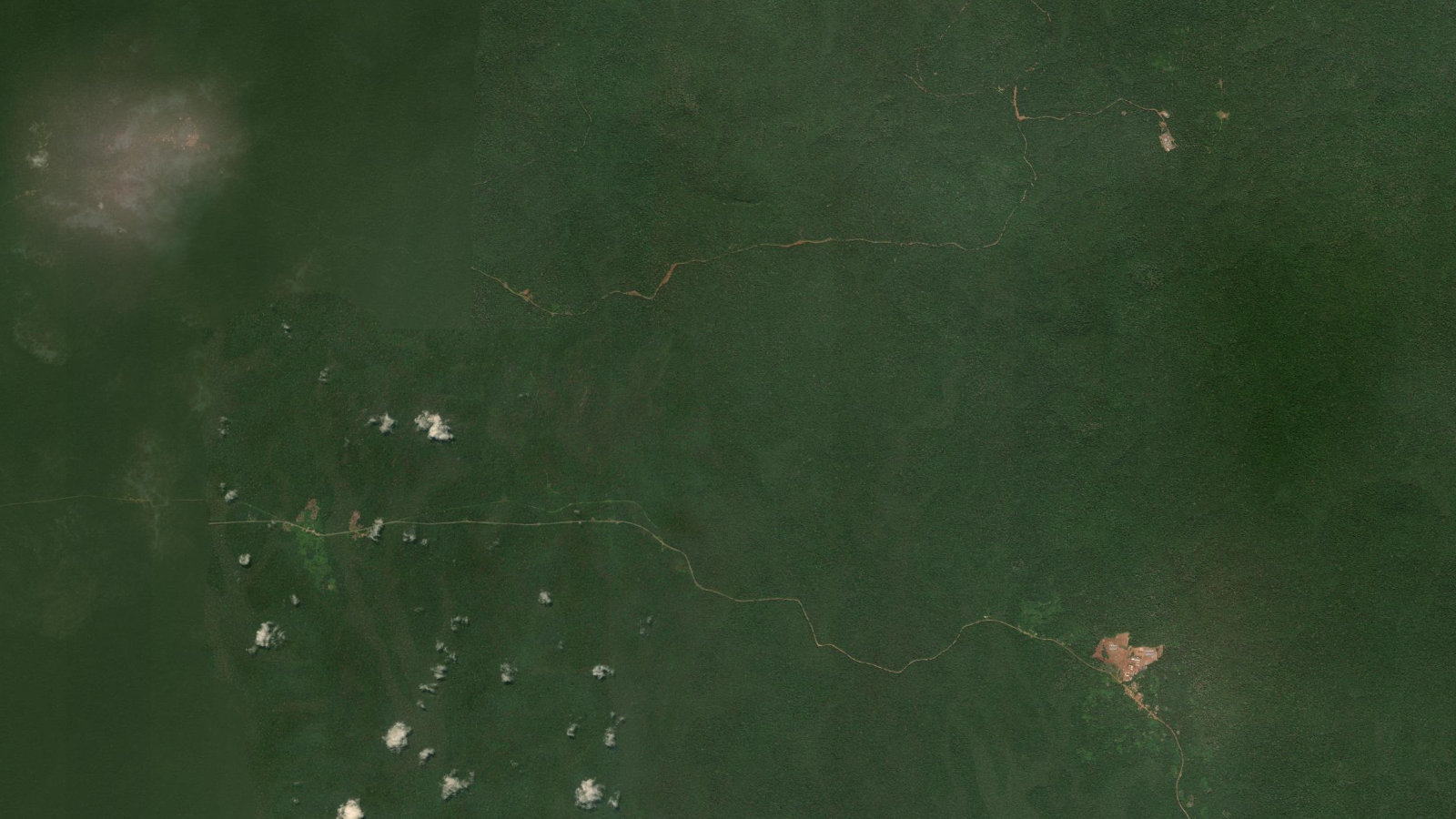
The Mbalam-Nabeba deposit is one of Africa's largest undeveloped high-grade iron ore bodies. It sits on the border of south-east Cameroon and the northern Republic of Congo: the Mbalam blocks lie in Cameroon, the Nabeba blocks continue the same ore across the frontier in Congo. Sundance Resources, through its subsidiary Cam Iron, spent years trying to build a mine and a rail-and-port export chain to Kribi. After both states moved against its rights, Sundance took each to arbitration under ICC rules, splitting a single project into two separate cases against two separate sovereigns.
The results diverged. In January 2026 a London-seated ICC tribunal dismissed Sundance's roughly $8.8bn claim against the Republic of Congo, finding the state had a legitimate basis to revoke the Nabeba permit because the project was not developed during the 2016-2018 period the licence allowed. Sundance has applied to the English High Court to set that award aside, alleging serious irregularity under section 68 of the Arbitration Act 1996. Then on 26 July 2026 Sundance announced that a separate ICC tribunal had found Cameroon in breach and awarded it about $616m in damages, interest and costs. The Cameroon tribunal placed weight on the state's disregard of a March 2022 ICC emergency-arbitrator order that barred Cameroon from granting the Mbalam permit to another developer while the dispute was pending. Chairman David Porter said Sundance, with Clifford Chance and funder Burford Capital, was pleased with the decision.
Why it matters for dispute formation
The story here is fragmentation. A deposit that is geologically one thing became, in law, two disputes governed by two contracts, two host-state regimes and two tribunals that never had to agree. The same underlying commercial failure, a mine that did not get built, produced a finding of lawful revocation on the Congo side and a finding of breach on the Cameroon side. For counsel structuring a cross-border project, the lesson is concrete: the seat, the governing instrument and the specific state conduct decide the outcome, not the merits of the ore body. Congo won on non-development. Cameroon lost on what it did after the emergency order, which is a conduct point, not a development point.
The emergency-arbitrator order is the pivot worth studying. Cameroon's exposure grew because a tribunal treated the reallocation of the Mbalam permit, in the face of an interim order telling it not to, as an independent breach. That is a reminder that interim relief in mining arbitration has teeth: a state that acts against a live emergency order hands the claimant a clean liability theory that does not depend on proving the whole expropriation case. The harder phase is now collection. An award against Cameroon is worth what Sundance can enforce, and the funder's projected return is expressly conditioned on full payment. Set-aside risk cuts the other way in London, where Congo could still see its win survive and Sundance's fallback narrow. For any operator with a project spanning two jurisdictions, Mbalam-Nabeba is the case to read on why you should not assume symmetry: one frontier can split a single asset into opposite legal fates, and the enforceable half may not be the larger claim.
Who's exposed
Exposed as the claimant that now holds a favourable award against one host state and an adverse one against the other over a single deposit. Sundance and its Cameroon subsidiary Cam Iron won about $616m against Cameroon, but lost the $8.8bn Congo claim in January 2026 and is trying to have that award set aside in London. The company's recovery depends on enforcing the Cameroon award against a sovereign that has not yet said it will pay, and on whether the English court reopens the Congo result.
Exposed as the state a tribunal found in breach for disregarding an ICC emergency order and reallocating the Mbalam permit. Cameroon faces an award of roughly $616m in damages, interest and costs, and the question of whether it pays voluntarily or forces Sundance into enforcement proceedings against its assets abroad. Its mines ministry had not responded publicly when the award was announced.
Exposed as the state that prevailed at first instance but now faces a set-aside challenge. A London ICC tribunal accepted that Congo could lawfully revoke Sundance's Nabeba permit because the project went undeveloped in the 2016-2018 window. Sundance alleges 'serious irregularity' causing 'substantial injustice' under the English Arbitration Act 1996, so Congo's win is not yet final and the deposit's Congolese half remains legally contested.
Exposed as the litigation funder and counsel whose return rides on collection, not just on the award. Burford has estimated its entitlement on the Cameroon award could exceed A$250m if paid in full. That figure is contingent on enforcement, which is where cross-border mining awards against reluctant states most often stall.
The historical parallel · ICC emergency-arbitrator order in the Mbalam dispute (March 2022) and the split Cameroon/Congo awards (Jan and July 2026)
The most instructive precedent is inside this dispute. In March 2022 an ICC emergency arbitrator ordered Cameroon not to hand the Mbalam permit to another developer while the case ran; the tribunal later treated Cameroon's disregard of that order as a breach in its own right, which is a large part of why the state lost. Set that against Congo, where a different tribunal found revocation lawful on non-development grounds and Sundance now seeks a set-aside in London. Together they show two things a cross-border operator should price in: interim orders in mining arbitration can carry real liability if a state defies them, and splitting one deposit across two seats can produce opposite outcomes on near-identical facts.
What to watch
- Whether Cameroon pays the ~$616m award voluntarily or forces Sundance into enforcement proceedings against Cameroonian state assets in third countries.
- The English High Court's handling of Sundance's section 68 challenge to the Congo award, and whether any set-aside or remittal follows.
- How Burford Capital's projected A$250m-plus entitlement is affected by the pace and completeness of collection on the Cameroon award.
- Whether Cameroon and Congo revive the Mbalam-Nabeba project with new developers, and how any fresh permits interact with the two awards.
Sources
- Mining Weekly — Sundance says it has won $616m Cameroon arbitration over iron-ore project (27 Jul 2026)
- Kitco News / Reuters — Sundance loses arbitration over Congo iron ore permit revocation (26 Jan 2026)
- African Law & Business — ICC tribunal rejects arbitration claim against Congo
- Business in Cameroon — Mbalam iron dispute could deliver over CFA100 billion to Burford
- TradingView / Reuters — Sundance says it has won $616m Cameroon arbitration over iron ore project
- Wikipedia — Mbalam mine (deposit location and project history)
- Mining Technology — Mbalam Iron Ore Project
See the disputes forming before the market does.
Signal Watch tracks the developments. The monthly Intelligence Brief synthesizes all four signals into the disputes most likely to crystallize next — free.
Get the Intelligence BriefFor general information only; not legal advice, and no attorney–client relationship is formed through this article. Company names appear because the operators are exposed to a public development — not as a statement of wrongdoing or a predicted outcome. Figures are as reported by the linked sources.