Bougainville Strips Panguna's Licence and Hands the Deposit to a State-and-Landowner Miner
In June 2026 the Autonomous Bougainville Government amended its Mining Act, suspended Bougainville Copper's exploration licence EL01 over Panguna, and granted a 25-year mining lease over the same ground to Bougainville Minerals Ltd, a new entity owned by the ABG and local landowners. Bougainville Copper shares fell as much as 61 percent. The deposit holds an estimated 5.3m tonnes of copper and 19.3m ounces of gold. The twist: the ABG controls close to 74 percent of the company it just displaced, so this is a state moving against a mine it largely owns.
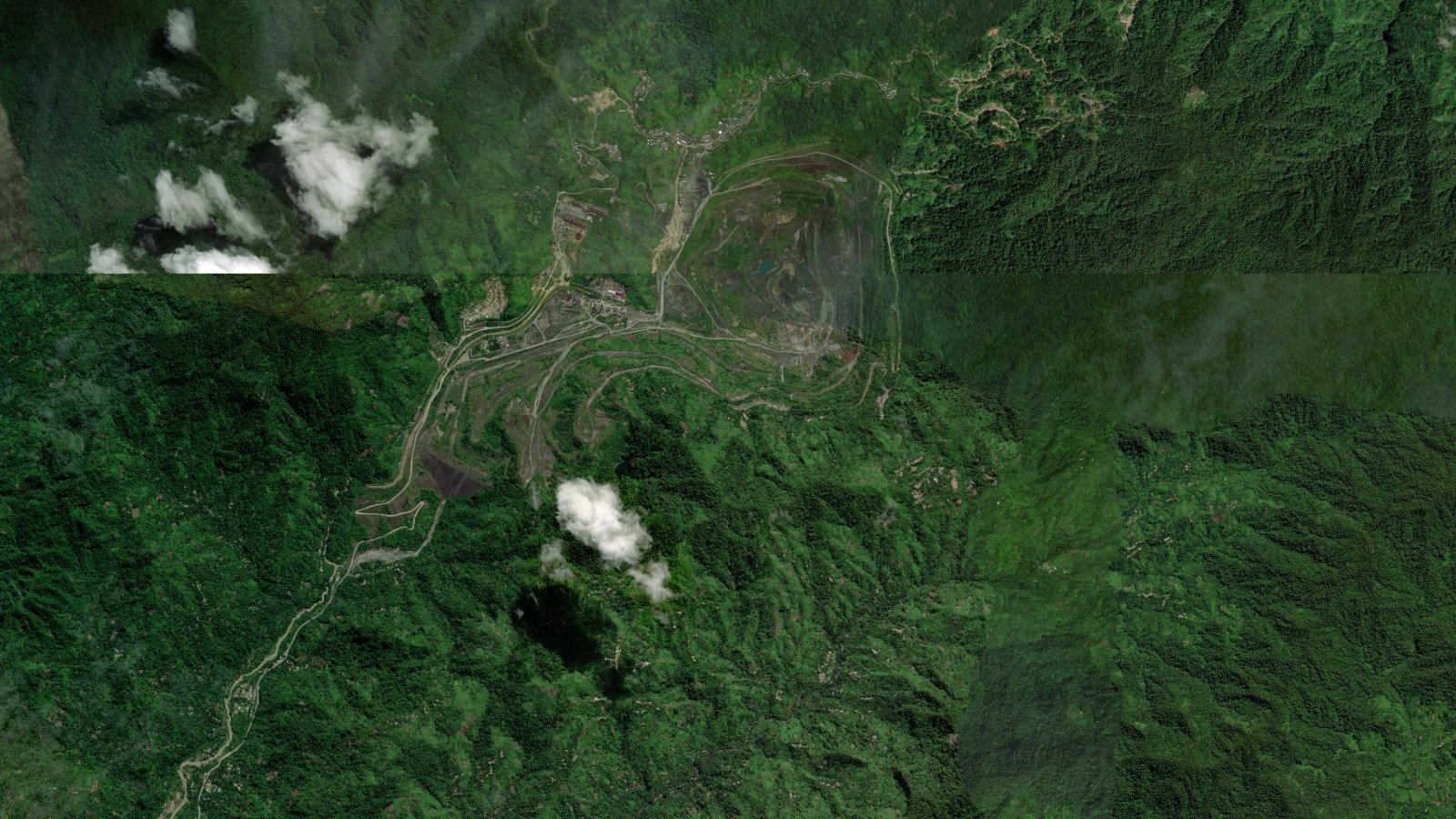
What happened
The Autonomous Bougainville Government passed the Bougainville Mining (Amendment) Act 2026 and, on 24 June 2026, its Registrar of Tenements notified Bougainville Copper that its Panguna exploration licence EL01 was suspended. Over the same ground the ABG granted a 25-year mining lease to Bougainville Minerals Ltd, a company owned by the government and local landowners and the first lease issued under the amended law. Bougainville Copper's shares fell sharply, by some counts as much as 61 percent across seven sessions and by around 36 percent on the announcement day. The company said it was reviewing the Act and the Registrar's letter and would decide what steps, if any, to take.
Panguna is one of the world's great undeveloped copper-gold deposits, holding an estimated 5.3m tonnes of copper and 19.3m ounces of gold, an in-ground value put near $160bn at mid-2026 prices. Bougainville Copper mined it from 1972 until 1989, when disputes over environmental damage and the distribution of mine revenue turned into an armed uprising and a civil war that killed thousands and shut the mine. Rio Tinto, the former majority owner, handed its shares to the Bougainville and Papua New Guinea governments in 2016. The ABG now controls close to 74 percent of Bougainville Copper. President Ishmael Toroama has cast the licence transfer as protecting landowner, compensation, local-content and royalty rights, and it lands as Bougainville presses its bid for independence following the 2019 referendum.
Why it matters for dispute formation
This is a licence revocation by legislation, and the mechanism is the story. Rather than terminate a title through an administrative process an operator can challenge on its own terms, the ABG changed the underlying law and then acted under it. That front-loads any dispute onto the validity of the amendment itself: Bougainville Copper's opening move, if it makes one, is to test whether the Act and the suspension were lawful under Bougainville's constitution and the framework governing its autonomy from Papua New Guinea. A company reviewing an act and a registrar's letter is a company deciding whether it has a title left to defend.
The ownership tangle is what makes Panguna unusual. The ABG controls roughly three-quarters of Bougainville Copper, so a claim by the company is partly the government suing on behalf of a company it dominates, and any damages recovered would flow substantially back to the state that caused them. That blunts the incentive to litigate hard and points toward a negotiated reconciliation of the two vehicles rather than a courtroom fight. The harder exposure sits with minority shareholders and any development partner, Lloyds Metals among them, whose title runs through a lease granted under a barely-tested law. The precedent to read this against is not a classic expropriation but the pre-independence reallocation of a strategic asset by a government asserting sovereignty over its own resources. It is closer to a nationalisation done through the legislature than a permit dispute, and the value at stake, both financial and political, is why every party will move carefully. For investors weighing Bougainville, the lesson is that a title here depends on the durability of the ABG's legal authority and on a settlement between the government and the company it owns, more than on the words of any single licence.
Who's exposed
Exposed as the incumbent stripped of its title. Bougainville Copper held exploration licence EL01 over Panguna, the deposit it mined from 1972 until the 1989 uprising forced the mine shut. On 24 June 2026 the ABG's Registrar of Tenements informed the company its licence was suspended under the Bougainville Mining (Amendment) Act 2026, and a 25-year lease over the same ground went to a new state-and-landowner entity. Shares fell as much as 61 percent across a handful of sessions. The company said it is reviewing the Act and the Registrar's letter and will consider what steps, if any, to take.
Exposed as the beneficiary and the sovereign in one. Bougainville Minerals Ltd, owned by the ABG and local landowners, holds the first mining lease granted under the amended legislation. The ABG controls close to 74 percent of Bougainville Copper itself, which makes this a rare case of a government moving a licence away from a company it largely owns to a vehicle it owns more directly. President Ishmael Toroama has framed the change as preserving landowner, compensation, local-content and royalty rights ahead of Bougainville's push for independence from Papua New Guinea.
Exposed as the incoming partners betting on the new structure. Lloyds Metals, an Indian miner, was selected as development partner over China's CMOC and has reportedly begun moving equipment toward the site. Any partner backing Bougainville Minerals is building on a licence that a displaced incumbent may still contest and on a legislative act barely tested in court, so the title it relies on is only as solid as the amendment and the ABG's authority to grant under it.
The historical parallel · Bougainville's 1989 mine closure and the legacy of Rio Tinto's exit (2016)
Panguna's own history is the precedent that matters most. Landowner anger over pollution and the split of mine revenue turned into an armed rebellion in 1989 that shut the mine and triggered a civil war costing thousands of lives. Rio Tinto walked away in 2016, handing its shares to the Bougainville and PNG governments and leaving the environmental legacy behind, which residents later pursued in a separate complaint. The read-across is that Panguna has never been a normal mining title. Control of it is bound up with grievance, compensation and now the drive for statehood, and any structure that ignores the landowner and sovereignty dimensions repeats the mistake that closed the mine. The ABG's move to a state-and-landowner vehicle is an attempt to answer that history, and its durability will be judged against it.
What to watch
- Whether Bougainville Copper mounts a formal legal challenge to the Bougainville Mining (Amendment) Act 2026 and the EL01 suspension, or negotiates given the ABG's controlling stake in it.
- How Bougainville Minerals Ltd and any partner such as Lloyds Metals structure funding and title security on a lease granted under untested legislation.
- The interaction with Bougainville's independence timeline and the framework governing its autonomy from Papua New Guinea.
- Whether landowner groups accept the new lease terms, given that landowner grievances closed the mine in 1989.
Sources
- Mining.com — Papua New Guinea miner loses bid to revive Panguna copper project
- RNZ — Bougainville Copper Limited takes stock after Panguna license setback
- Kalkine — Bougainville Copper's exploration licence suspended after rival mining lease granted over same land
- Mining.com — Rio Tinto faces lawsuit over Panguna copper mine in Bougainville (background)
See the disputes forming before the market does.
Signal Watch tracks the developments. The monthly Intelligence Brief synthesizes all four signals into the disputes most likely to crystallize next — free.
Get the Intelligence BriefFor general information only; not legal advice, and no attorney–client relationship is formed through this article. Company names appear because the operators are exposed to a public development — not as a statement of wrongdoing or a predicted outcome. Figures are as reported by the linked sources.